Medical experts acknowledge four main types of mesothelioma — each named for the area of the body where the cancer forms. The most common type, pleural mesothelioma, develops in the lining of the lungs.
Peritoneal mesothelioma forms in the peritoneum, the membrane that lines the abdominal cavity. This is the second-most prevalent type. The overwhelming majority of mesothelioma specialists treat patients with one of these two types.
The rarest forms of the disease are pericardial and testicular mesothelioma. Pericardial mesothelioma starts in the lining of the heart, while testicular mesothelioma develops in the lining of the testicles. Together, these types account for less than 2 percent of all mesothelioma diagnoses.
Primary Cause of All Mesothelioma Types
All the different types and subtypes of this disease share one common thread. They are caused primarily by a prolonged exposure to asbestos, usually in the workplace. If a doctor suspects that you have any form of mesothelioma, you should think back through your work background to find a connection to when you worked with or around asbestos materials and products.
Most pleural mesothelioma patients can remember a time when they breathed in asbestos fibers. In cases of peritoneal mesothelioma, patients often swallowed the fibers. Researchers are less certain about how asbestos triggers the pericardial and testicular forms of the disease.
Pleural Mesothelioma
Pleural mesothelioma develops in the mesothelial lining of the lungs, known as the pleura. This type represents approximately 75 percent of all mesothelioma cases. Although symptoms may vary, the most common pleural mesothelioma symptoms include:
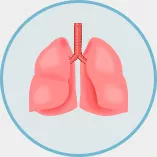
- Shortness of breath
- Persistent dry cough
- Persistent chest pain
- Difficulty swallowing
- Night sweats / fever
- Fatigue
Treatment for pleural mesothelioma largely depends on the stage of the cancer, which doctors use to describe how far it has progressed. When mesothelioma is diagnosed at an early stage, potentially curative surgery may be an option for patients. Most treatments in later stages are palliative, meaning they aim to relieve symptoms and improve quality of life.
Pericardial Mesothelioma
Pericardial mesothelioma develops on the exterior lining of the heart, known as the pericardium. This type of mesothelioma is rare and accounts for about 1 percent of all mesothelioma cases. Symptoms develop when fluid builds up in the spaces between the layers of the pericardium. Pericardial mesothelioma symptoms include:

- Irregular Heartbeat
- Chest Pain
- Difficulty Breathing
- Coughing
- Night Sweats / Fever
- Fatigue
As with other types of mesothelioma, doctors most commonly treat pericardial mesothelioma with palliative therapies that relieve symptoms. Removing pericardial tumors with surgery is risky because they grow so close to the heart
Pleural Mesothelioma
Testicular mesothelioma develops in the tunica vaginalis, the lining of the testes. This is the rarest type of mesothelioma, accounting for less than 1 percent of all cases. Many patients are diagnosed while receiving surgery or treatment for another condition.
Because of the rarity of this type, it has been difficult for medical researchers to come up with a complete list of symptoms. The two main indicators of this cancer are painless testicular lumps and swelling of the scrotum. This form of mesothelioma is usually not diagnosed until lumps develop.
Testicular mesothelioma patients may undergo surgery to remove all or part of the affected testicle. Doctors sometimes recommend adjuvant therapy, which involves chemotherapy or radiation therapy after the surgery to kill any remaining cancer cells.


No comments:
Post a Comment